
This week, our Business Acumen World Tour 2016 takes us to Brazil where Advantexe is delivering a
Business Acumen for Sales Professionals for a large US company selling to customers in Brazil. In order to prepare for the session, we conducted a macroeconomic assessment of the country and wanted to share some key learning and insights in this blog for our readers currently engaged or thinking about becoming engaged in Brazil. As always, our blogs contain research, data from conversations with our clients and other business professionals, as well as our own observations and insights.
Robert Brodo

Recent Posts

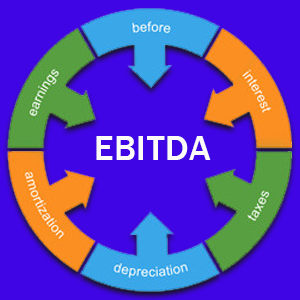
At Advantexe, we believe that leadership is equal to the execution of your business strategy and a good business strategy has metrics of financial performance such as revenue growth and profitability. Last week I wrote a blog about the concept of EBITDA – defined as earnings before interest, taxes, depreciation, and amortization – and how it remains an important and valuable metric of business performance. It turns out that this blog was one of our most popular ever and I received several emails asking me for more information. I received this email from one of our former participants of a Business Acumen learning journey:
Read More >
Over the past few weeks, I have had the pleasure of delivering several customized leadership development programs with a focus on Business Acumen to participants in the Agricultural, Commodity Chemicals, Pharmaceuticals, and Information Technology industries. Many of the organizations Advantexe works with have realized in our complex and global business world, having solid business and financial acumen skills is now more than a nice skill set to have; it is an absolutely necessity.
Read More >
The incredulous news story of how fake customer accounts were created by Wells Fargo employees to bolster revenues and profits at the expense of unsuspecting and loyal customers is mindboggling. The fact that more than 5,300 employees have been fired tells you that this was more than just an isolated incidence of an overzealous small group of employees but rather a global and systemic culture that illustrates a serious lack of credibility and business ethics. I am stumped as to why there isn’t more outrage and widespread media coverage about this situation. This is not only stealing and deception, but it breaks every confidence and trust a bank stands for between itself and its customers.
Read More >
Leaders and individual contributors within organizations struggle every day with end endless amount of obstacles and hurdles that seemingly block their paths to success. Some of these hurdles are generated by changes in customers and competitors yet unfortunately, some of them are created by their own organizations. One of the biggest challenges I hear from leaders who participate in our Advantexe Business Leadership programs is dealing with and working in a “matrixed organization.” The challenges and complaints are common:
- “I have no idea how to manage people in a different continent who don’t report to me, yet I am accountable for their output.”
- “I have teams of people who report to at least 3 different leaders.”
- “It takes forever to get anything done because of the matrix.”
